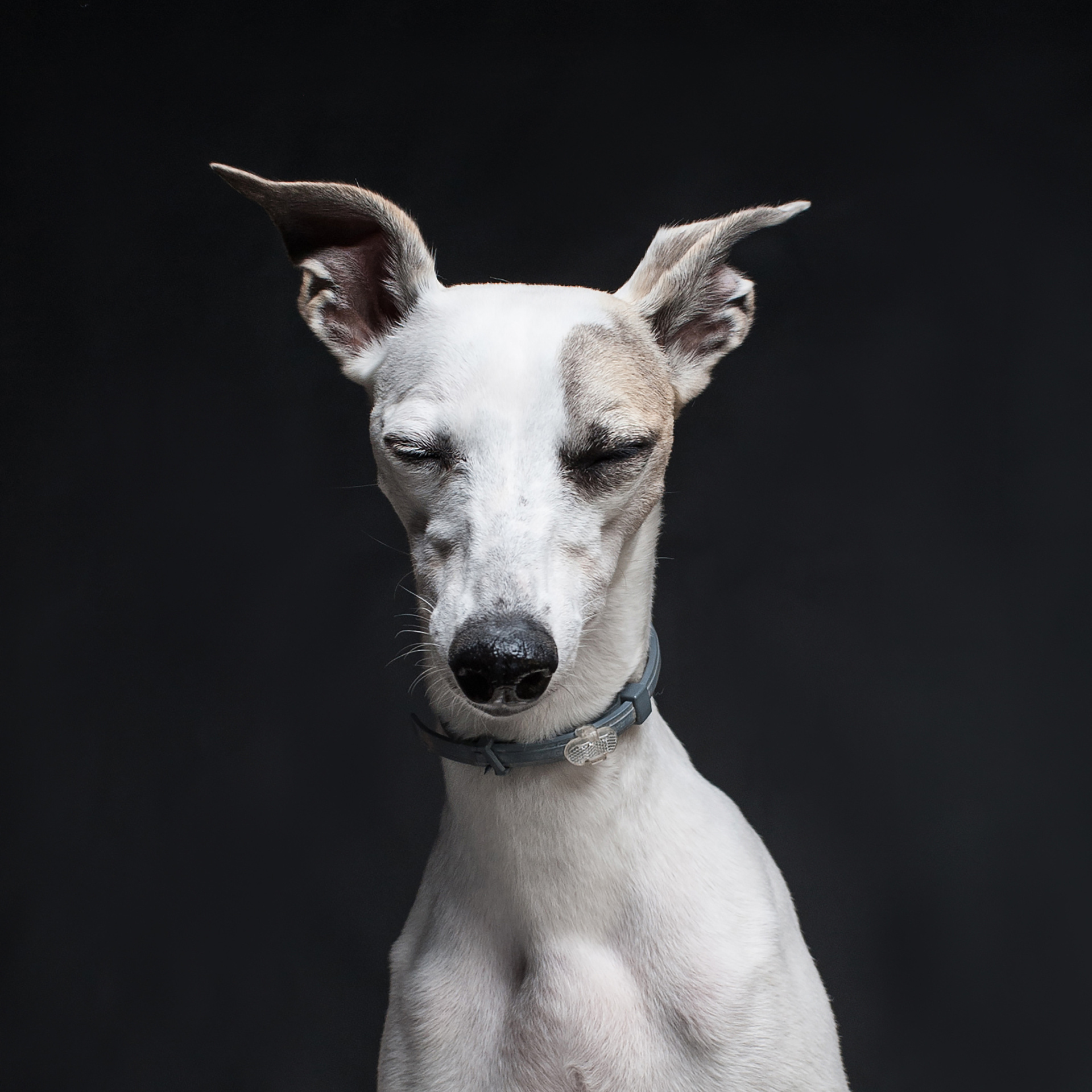
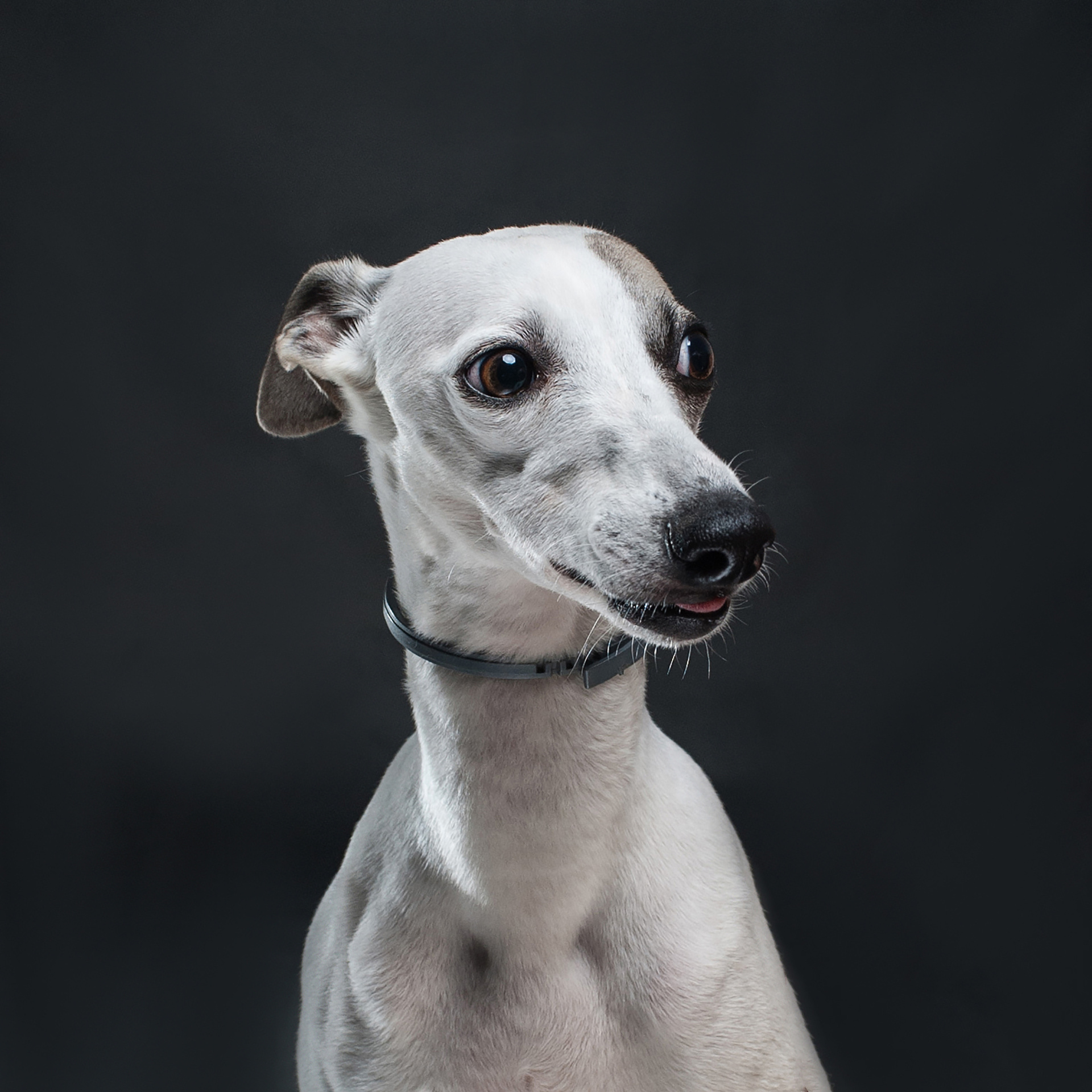
Mimika — About Human and Dog Emotions
The project began in 2018 as a final assignment for the Advanced Course at the School of Academic Photography. At first, it was just a series of portraits of a beagle and a charismatic young man, who also happened to be members of my family. Early publications on Sobaka.ru and Bumaga brought recognition to Mimika, and the project continued. I didn’t just start photographing emotional portraits — I also explored research on understanding and interpreting the emotions of humans and dogs.

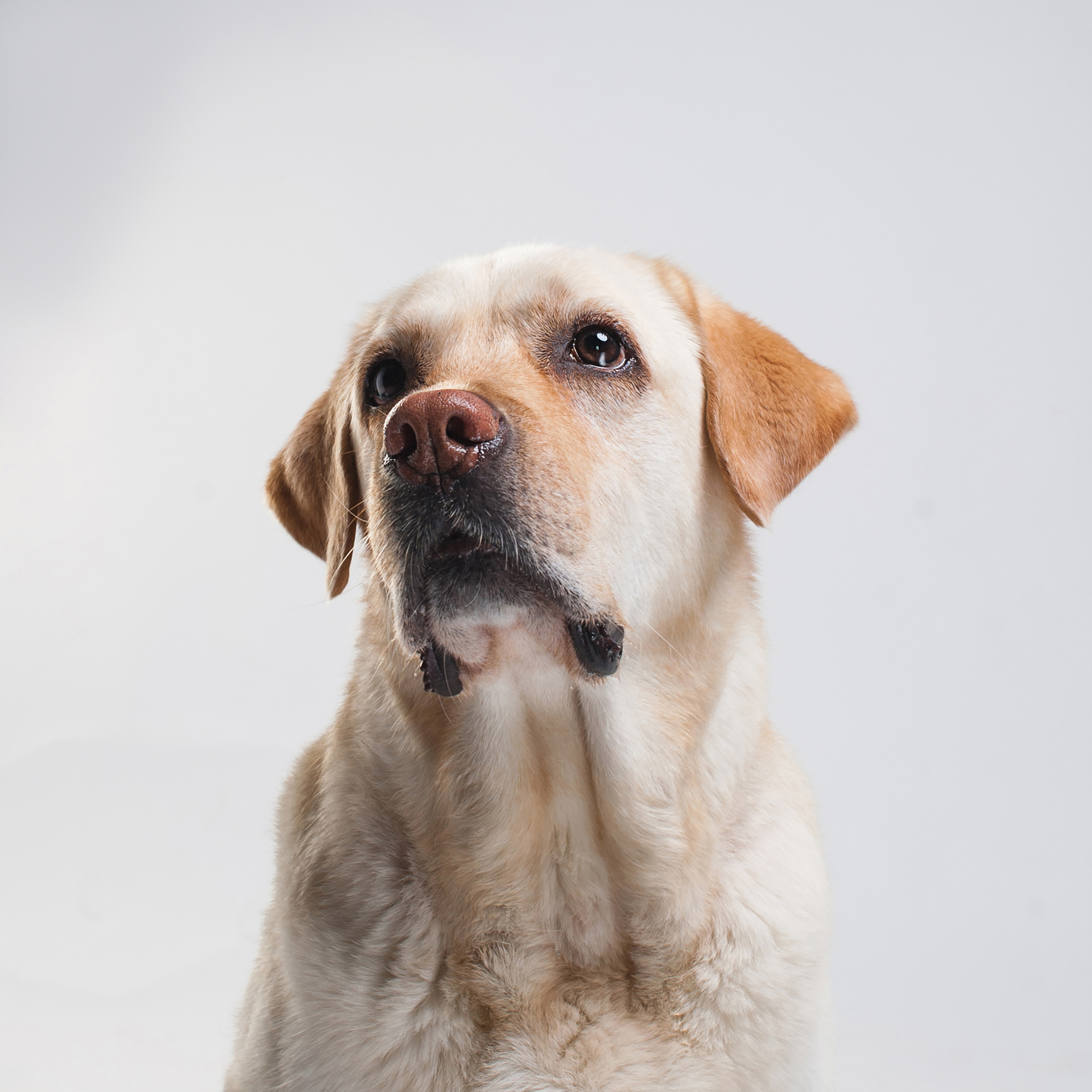






I first became intrigued by an article about Dr. Brian Hare, a researcher who had previously studied primate cognition. In the course of an experiment, he made an unexpected discovery: a chimpanzee struggled to interpret a gesture that his dog understood effortlessly. This revealed that dogs can naturally communicate with humans without formal training. The finding would shape Dr. Hare’s career — today, he is recognized as one of the foremost experts in canine cognition.

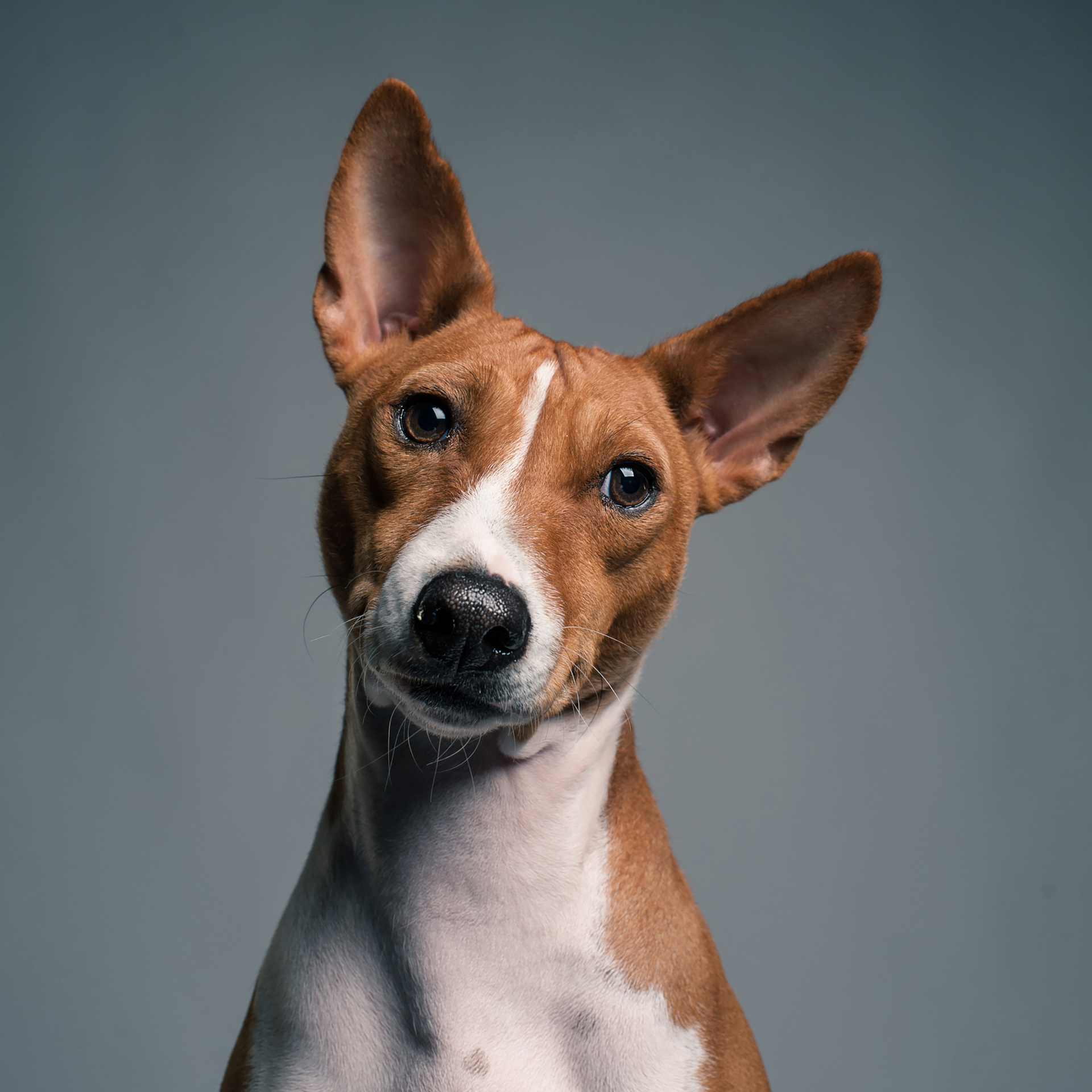

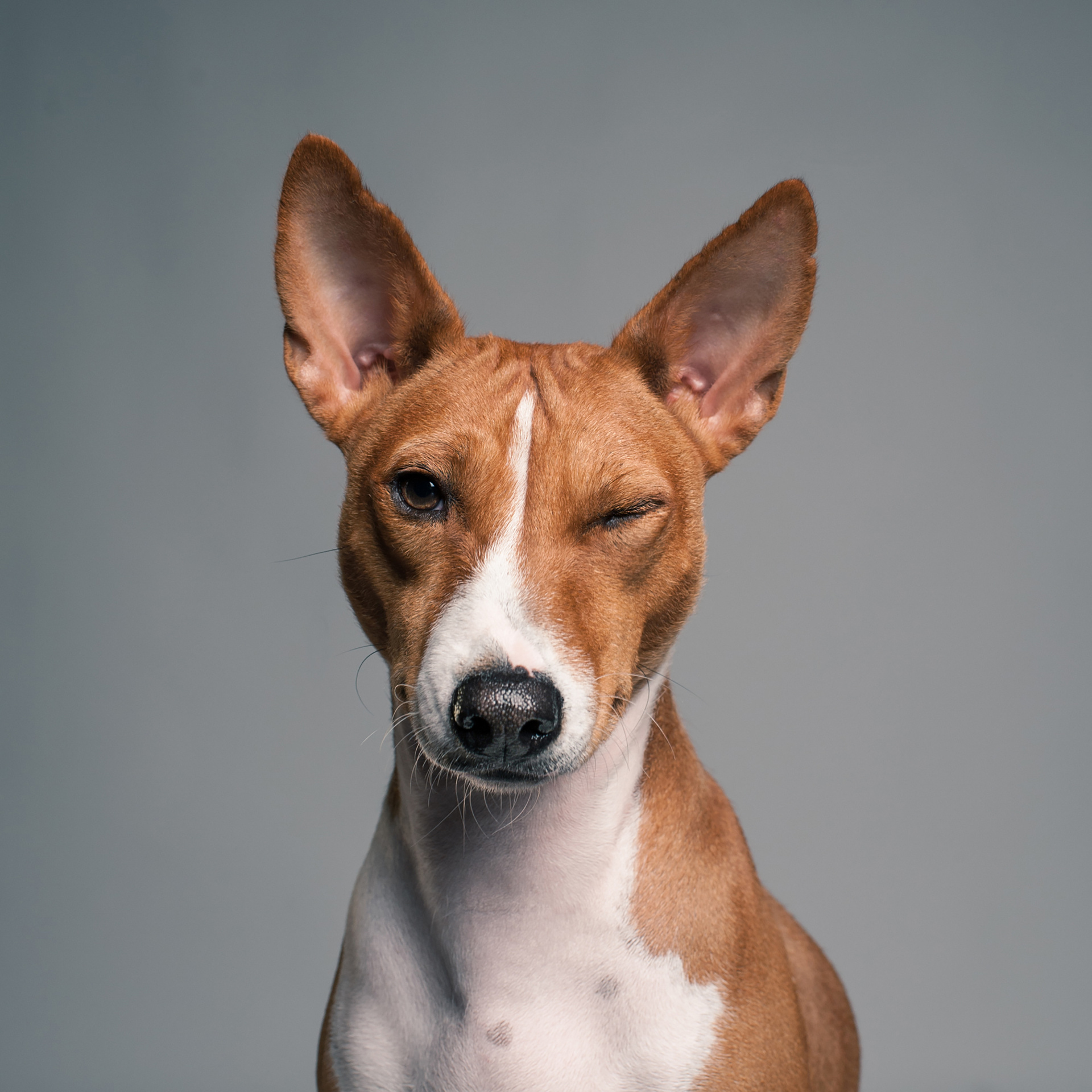




I also learned that researchers at the University of Veterinary Medicine in Vienna found that dogs can interpret the facial expressions of unfamiliar humans, even from photographs, distinguishing happy faces from angry ones. Colleagues at the University of Porto showed that dogs are susceptible to contagious yawning, indicating their capacity for empathy. These discoveries, which I came across during my research, reveal how dogs naturally understand and share human emotions, thanks to mirror neurons responsible for empathy.








Researchers at the University of Portsmouth claim that dogs deliberately use facial expressions to communicate with humans. Apart from dogs, only humans and great apes consciously communicate with members of another species.
Later, I came across the wonderful book The Other End of the Leash by Patricia McConnell, which included emotional portraits of both humans and dogs, along with a comparative analysis. This book convinced me that dogs are not only capable of reading human emotions and deliberately using different facial expressions to communicate with us, but also truly experience emotions such as happiness, anger, fear, joy, anxiety, and curiosity — expressing them in many ways similarly to humans.